medical IT
Practice Management Software Support
Practice management software is the heartbeat of every medical practice — when it’s slow, unstable or unsupported, your whole day backs up. PIP provides expert practice management software support to keep your clinical and practice systems running fast, secure, and dependable.
We’re friendly, local and proactive—focused on reducing downtime, protecting sensitive data and keeping your team productive, so you can focus on patient care, not IT headaches.
Practice Management Software Support and Medical Practice Management Solutions.
In the rapidly evolving landscape of healthcare, medical practices face numerous challenges, from the need to provide exceptional patient care to ensuring the security and efficiency of their IT infrastructure. The core of this infrastructure being their medical practice management software, which in todays modern age, has become an indispensable tool. It streamlines a medical offices administrative tasks and adds patient engagement through patient portals and patient appointment scheduling. All whilst, enhancing patient care, providing comprehensive patient history and improving overall efficiency and communicating test results. However, the implementation and management of such software require robust IT support to ensure seamless operation.
PIP has been providing this level of support and management to the Medical Industry for over 20 years. From the inception of the Medicare Australia EHealth incentives, PIP has been providing consulting, support and services to the entire health care industry. PIP was a major services provider for the Broadband for health scheme which included securing General Practice Surgeries and Pharmacies and providing Security audits for Practice Incentive Payments (PIP).
With a steadfast commitment to innovation and excellence, PIP empowers healthcare providers with reliable, secure, and efficient practice management solutions to medical practices of all sizes.
Medical Practice Management Software Supported by PIP Medical IT Support –
- Genie Solutions
- Magentus
- ZedMed
- Health Communication Network HCN
- BlueChip
- Best Practice
- Medical Director
- Medical Director Clinical
- Pracsoft
- S4S Audit 4
Secure medical IT, built for Australia
Practice Management software support that keeps your practice moving.
Medical IT Software Support – What’s trending
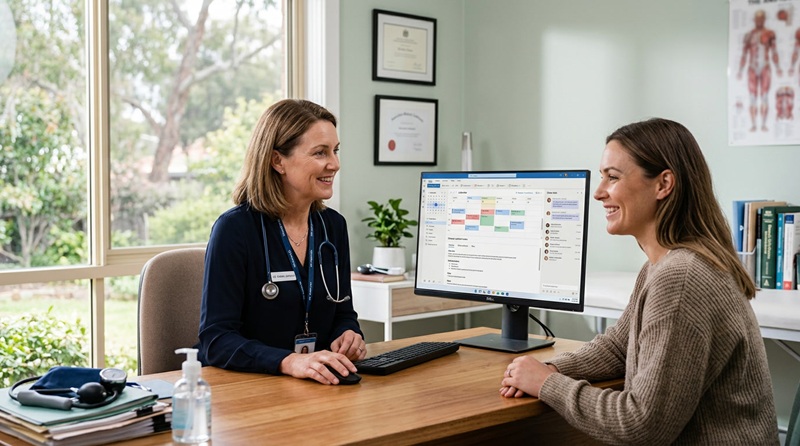
Best Practice Cloud Hosting and IT Support
Providing Healthcare Professionals Unmatched IT Support for Best Practice Medical Software For over 20 years, PIP – Total IT Solutions…
Your Guide to Medical Software Hosting: Cloud, Hybrid or Onsite
Deciding on the IT infrastructure and model for your medical practice can seem daunting and confusing to the best of…

Why Your Clinic’s IT Costs Might Be About to Rise
In recent months, the cost of operating in the public cloud has quietly but significantly increased—especially for healthcare providers. With…

Private Medical Cloud Hosting for HealthCare Services
Our Medical Portable Practice is a private cloud solution designed for Australian healthcare providers. This cloud comprises dedicated enterprise-grade servers…

Hosting Genie Medical Software – Scanning How To
PIP has been hosting Genie Medical Software for specialist medical practices, for over 20 years. PIP supplies and supports two cloud-based…

Genie Software Solutions Rebrands as Magentus
From today, Genie solutions will now be know as Magentus. If you recall the Citadel Group bought Genie Solutions in…
practice managment support for all medical centres
Best Practice, Genie, Audit 4 & Medical Director.
Key Responsibilities for your Health Care IT provider


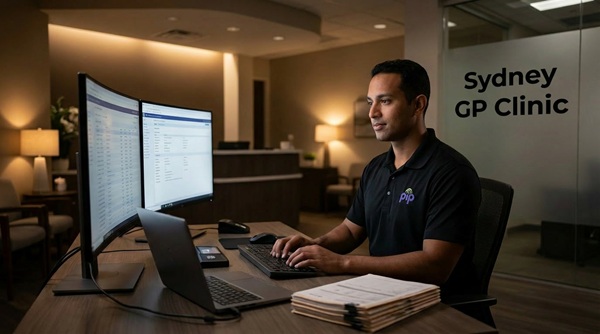
From reception to consult room: IT that just works.
Make clinical systems stable, secure, and responsive.
Proactive healthcare IT support
Reduce downtime. Protect data. Support patients.
Importance of IT Support for Medical Practitioners
IT support is integral for medical practitioners because it ensures the smooth operation of various technological systems critical to patient care delivery. Medical practices rely heavily on electronic health records (EHRs), patient management systems, and medical imaging technologies, all of which require regular maintenance and updates to function optimally. IT support teams provide the necessary technical expertise to manage these systems, preventing downtime and addressing any issues that may arise promptly. This reliability ensures that medical practitioners can focus on patient care without the distraction of technical problems.
Moreover, IT support plays a vital role in safeguarding sensitive patient information. With the increasing incidence of cyberattacks targeting healthcare institutions, robust IT support is essential to implement and manage advanced security measures. IT professionals help ensure that medical practices comply with strict regulatory requirements and protect patient data from breaches. By maintaining secure networks and systems, IT support helps build patient trust and confidence in the practice’s ability to protect their personal health information.
PIP understands these unique needs and offers comprehensive IT support and management services designed to address the specific challenges faced by medical practices.
Role of IT Management for the Health Sector
The health sector, traditionally reliant on face-to-face consultations and physical records, is undergoing a profound transformation driven by advancements in information technology (IT). IT management in healthcare is now integral to enhancing patient care, improving operationality IT management plays a pivotal role in the strategic planning and execution of healthcare IT initiatives. It involves overseeing the software’s life-cycle, from selection and procurement to implementation and maintenance.
IT management ensures that the software aligns with the practice’s goals and complies with regulatory standards and privacy laws for patient data security. PIP has been working with all Australian Medical Software Systems for decades. We know what works, how it works and what will work for you.
Ensuring Data Security and Compliance for Practice Management Software
In the digital age, data security and compliance are paramount in the healthcare sector, especially within Australian medical practices. Protecting patient information is not only a legal obligation but also a cornerstone of trust between healthcare providers and their patients. Given the sensitive nature of medical data, robust security measures are essential to prevent breaches and ensure compliance with governmental and international standards.
Data security refers to the protection of digital information from unauthorized access, corruption, or theft throughout its lifecycle. For medical practices, this involves safeguarding patient records, treatment histories, and other sensitive data against cyber threats. The integration of advanced technologies into healthcare systems has increased the potential risks, making it crucial for medical practices to implement comprehensive security protocols.
In Australia, medical practices must adhere to regulations set by Medicare Australia to ensure the confidentiality, integrity, and availability of patient data. Medicare Australia mandates various measures to maintain high standards of data security and compliance, including:
- Privacy Act 1988: Medical practices must comply with the Privacy Act, which outlines how personal information should be handled, stored, and accessed.
- Healthcare Identifiers Act 2010: Ensures the secure management of Healthcare Identifiers (HI) used in electronic health records.
- My Health Records Act 2012: Governs the use of the My Health Record system, emphasizing data protection and patient consent.
These mandates require medical practices to implement security measures that protect patient data from unauthorized access and ensure that data handling practices are transparent and secure.
PIP also takes security extremely seriously, in combination with the above legislative measures, PIP strives to hold practices complain against ISO 27001. ISO 27001 offers a robust framework for managing information security in medical practices. By implementing its features, medical practices can significantly enhance data security, ensure regulatory compliance, build patient trust, and improve operational efficiency. As the healthcare industry continues to evolve, adopting ISO 27001 will help medical practices stay resilient and capable of delivering high-quality, secure care to their patients.
Medical Data Privacy and the Law
The importance of data privacy and compliance in Australian medical practices cannot be overstated. Data breaches and unauthorized access to sensitive patient registration and information can have far-reaching consequences, including legal ramifications, financial loss, and damage to a medical practice’s reputation.
Patient confidentiality is a fundamental principle of medical ethics. Australian medical practices are entrusted with highly sensitive personal information, including medical histories, treatment plans, and financial details. Protecting this information is essential to maintaining patient trust and ensuring that individuals feel comfortable sharing their health concerns without fear of their data being exposed.
Medicare Australia mandates that medical practices adhere to strict data privacy and security protocols to protect patient information. These mandates include requirements for secure record-keeping, regular audits, and immediate reporting of any breaches. Failure to comply with these regulations can result in significant penalties, insurance claims and legal action against the practice.
Optimising Medical IT Infrastructure
At PIP, we believe that optimizing IT infrastructure is paramount to empowering healthcare professionals and enhancing the overall quality of care they provide. Our comprehensive approach to IT infrastructure optimization focuses on ensuring seamless connectivity, robust data management, and secure access to critical information and medical history. By leveraging state-of-the-art technology and industry best practices, we can transform the way healthcare professionals operate, leading to improved patient outcomes and increased efficiency.
Reliable and high-speed internet connectivity is the backbone of any modern healthcare facility that’s why PIP has its own Internet backbone. We prioritize the deployment of advanced networking solutions that ensure uninterrupted communication between healthcare professionals, patients, and administrative staff. By implementing robust Wi-Fi networks and integrating unified communication systems, we facilitate real-time collaboration, tele health consultations, and efficient information exchange. This seamless connectivity enables healthcare professionals to access patient records, diagnostic tools, and treatment plans without delay, ultimately enhancing their ability to deliver timely and accurate care.
Effective data management is crucial for healthcare professionals who rely on accurate and up-to-date information to make informed decisions. PIP specializes in deploying cutting-edge data management solutions that streamline the storage, retrieval, and analysis of patient data. Our secure electronic health record (EHR) systems ensure that healthcare providers have instant access to comprehensive patient histories, lab results, and treatment plans. Additionally, our advanced analytics tools enable healthcare professionals to identify trends, predict health outcomes, and personalize patient care. By optimizing data management, we empower healthcare professionals to provide more precise, effective, and patient-centric care.
24/7 Medical IT Support and Monitoring
In addition to optimizing IT infrastructure, PIP’s Managed Services Provider (MSP) offerings such as 24×7 helpdesk,/ onsite support and complete system monitoring are indispensable for healthcare facilities. Our 24×7 helpdesk ensures that healthcare professionals have round-the-clock access to IT support, which is crucial in an environment where every second counts. Whether it’s resolving technical issues, providing guidance on software use, or troubleshooting connectivity problems, our dedicated team is always available to assist. This constant availability not only enhances the efficiency of healthcare operations but also minimizes downtime, ensuring that patient care remains uninterrupted.
Moreover, PIP’s onsite support services offer healthcare facilities the advantage of having expert technicians on the ground. Our team can quickly address and resolve more complex issues that require physical intervention, such as hardware malfunctions or network infrastructure problems. This hands-on approach ensures that any disruptions are swiftly managed, maintaining the seamless functioning of healthcare services.
Furthermore, our complete system monitoring solutions provide real-time insights into the health and performance of IT systems. By proactively identifying potential issues before they escalate, we help healthcare facilities avoid unexpected downtimes and ensure continuous system availability. This vigilant monitoring encompasses all critical components, from servers and networks to security protocols and compliance measures. By leveraging PIP’s comprehensive monitoring services, healthcare providers can focus more on patient care and less on IT concerns, knowing that their systems are in capable hands.