
Systems Automation for Manufacturing, Agriculture & Robotics
Systems Automation
Systems automation is about designing reliable, intelligent workflows that connect people, machines and data. At PIP, we help organisations replace manual, error‑prone processes with automated systems that improve efficiency, safety and consistency across operations. Our focus is practical automation — built to work in real environments, not just on paper.
Automation includes a wide range of equipment, control systems, and applications, from industrial machinery and household devices to advanced feedback control systems used across various industries.
We deliver automation solutions that integrate software, infrastructure, sensors and control systems, ensuring information flows seamlessly from the factory floor or field through to management systems, reporting platforms and decision‑makers. These solutions rely on robust hardware and machinery as essential components to achieve reliable and efficient automation. Proper installation is crucial for seamless integration and dependable operation of automation systems.
Introduction to System Automation
System automation is the backbone of modern business operations, leveraging advanced automation technologies to manage and control IT resources with precision and reliability. By automating the start-up and shutdown of applications, services, and storage in the correct sequence, businesses can ensure seamless integration and high availability across their systems. In today’s complex environments, relying on manual processes can introduce errors and costly downtime. Automation solutions, such as those offered by ASC and Complete System Automation, provide comprehensive control over industrial automation and cognitive automation, enabling businesses to streamline operations, boost efficiency, and deliver complete, reliable services. With system automation, organizations can confidently manage complex workflows, reduce operational risks, and achieve greater reliability and efficiency in their day-to-day operations.
Automating Complex Systems Across Industry
Systems automation is about designing reliable, intelligent workflows that connect people, machines and data. At PIP, we help organisations replace manual, error‑prone processes with automated systems that improve efficiency, safety and consistency across operations. Automation extends the capabilities of both human workers and machines, enabling them to achieve tasks beyond their natural size, strength, speed, and sensory range. Our focus is practical automation — built to work in real environments, not just on paper.
We deliver automation solutions that integrate software, infrastructure, sensors and control systems, performing various functions such as sequencing, timing, and logic, and ensuring information flows seamlessly from the factory floor or field through to management systems, reporting platforms and decision‑makers.
Precision Automation at Production Scale
Automation Built for Real World Production

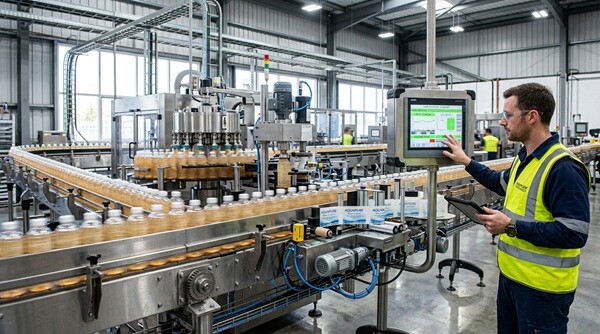
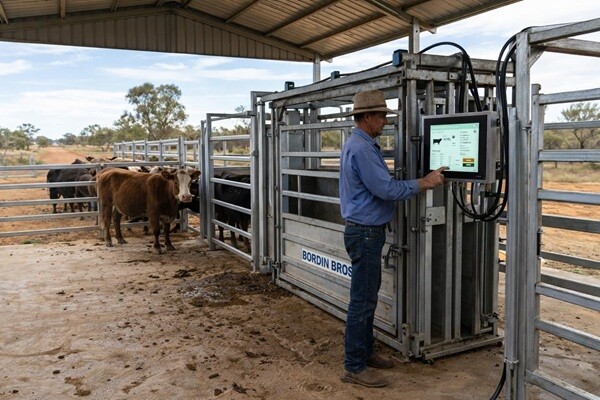
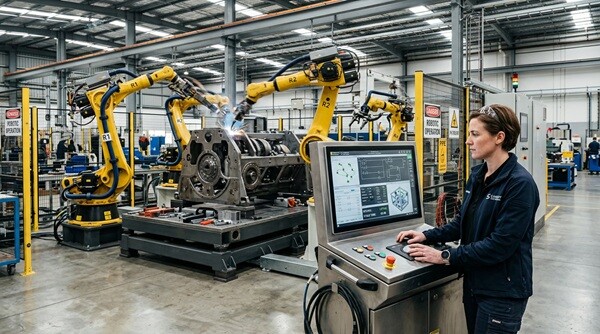
Automate your Business – PIP Engineering Services
Benefits of Automation
Automation delivers a wide range of benefits across industries, fundamentally transforming how businesses operate. By automating repetitive tasks and processes, companies can achieve significant gains in efficiency and productivity, allowing machines and software to handle operations around the clock without interruption. This not only improves reliability and quality but also enhances safety by enabling machines to operate in hazardous environments, reducing risks for personnel. Automation also helps businesses reduce costs and deliver consistent, high-quality results. Studies, such as those by the OECD, highlight how automation can lead to substantial productivity improvements, especially in sectors where tasks are routine and easily automated. Ultimately, automation empowers businesses to operate more efficiently, reliably, and safely.
Automation Implementation
Successfully implementing automation solutions requires a strategic approach, starting with a thorough assessment of existing business processes to identify opportunities for automation. Selecting the right automation technologies and tools is crucial, as is assembling a dedicated team with the necessary skills and expertise to manage the project. Reliability, scalability, and flexibility should be key considerations to ensure that automation solutions can adapt to changing business needs. For example, Tivoli System Automation offers a robust platform that can be tailored to meet specific operational requirements, providing businesses with reliable and effective automation. Implementation should be phased, with continuous monitoring and evaluation to ensure that solutions deliver the intended benefits and support long-term business objectives.
Automation Maintenance
Ongoing maintenance is essential to keep automation solutions operating at peak efficiency. This involves regular monitoring, troubleshooting, and updating of automation systems, as well as providing comprehensive training and support for personnel. Proactive maintenance helps prevent errors and downtime, ensuring that systems remain reliable and effective. Companies like ASC and Complete System Automation are known for delivering exceptional service and support, offering 24/7 assistance and maintenance to their clients. By prioritizing proactive maintenance and support, businesses can minimize disruptions, maintain operational continuity, and ensure that their automation solutions continue to deliver complete and reliable performance.
Automation Standards
Adhering to established automation standards is critical for ensuring that automation solutions are safe, reliable, and of the highest quality. These standards provide guidelines for the development, implementation, and operation of automation systems, helping businesses achieve interoperability and compliance with regulatory requirements. Industry-recognized standards, such as ISO 9001 for quality management and IEC 61508 for functional safety, set the benchmark for excellence in automation. By following these standards, companies can ensure that their automation solutions meet rigorous safety and quality criteria, providing reliable performance and supporting long-term business success.
Designed for Reliability, Security and Scale
Automation is only valuable when it is dependable. We design systems with resilience, security and maintainability in mind, ensuring automated environments remain auditable, supportable and aligned with business objectives. While automation systems have the ability to handle complex and repetitive tasks efficiently, they still face limitations compared to human skills in areas requiring judgment, adaptability, or nuanced decision-making. Every solution is tailored to operational realities, regulatory requirements and long‑term growth.
Whether modernising existing systems or designing automation from the ground up, PIP delivers practical, industry‑focused automation that works — today and into the future. Planning for failure scenarios is essential in automation design to ensure operational continuity and minimize risks when unexpected issues arise.