
Practical, secure and accountable AI for Australian SMBs
AI for Business
At PIP Total IT Solutions, we help small and mid‑sized businesses adopt artificial intelligence (AI) in ways that actually deliver value—without compromising security, compliance or control. Artificial intelligence (AI) has huge potential to transform business operations and deliver competitive advantages across industries and business sizes. Our focus is not hype or experimentation for its own sake. It’s about applying AI where it improves decision‑making, efficiency and customer outcomes, aligned to real business objectives.
This hub is the front door to our AI for Business services and guidance, built specifically for Australian organisations operating in regulated, cost conscious and risk aware environments. AI offers a wide range of business applications, and understanding these applications is key to leveraging AI effectively.
Core AI Capabilities
We take a holistic view of your organisation to determine where artificial intelligence can be applied responsibly and effectively. Artificial intelligence encompasses a range of describe technologies—tools and systems that perform tasks typically associated with human intelligence, such as pattern recognition, natural language processing, and predictive analytics. These AI technologies enable computers to learn, make decisions, and generate responses, allowing them to perform functions that would otherwise require human intelligence. This includes understanding your business objectives, operational culture, data readiness and risk appetite, as well as the regulatory and ethical considerations relevant to your industry. Rather than pushing tools or trends, we provide clear, independent guidance on what is appropriate, what is premature, and what should be avoided. The outcome is a practical, business‑aligned roadmap that prioritises value, sustainability and trust, ensuring any AI initiative is grounded in sound judgement, commercial realism and long‑term accountability.




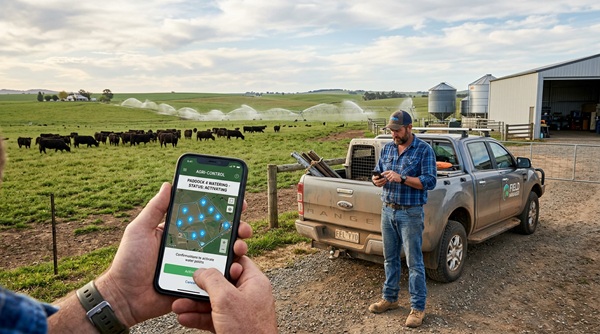

AI powered automation and workflows
Automate your Business – PIP AI Services
What we mean by “AI for Business”
AI is not a single product or platform. In a business context, it typically spans:
- Decision support and analytics – turning operational data into actionable insight, with AI able to process vast amounts of data to generate these insights
- Process automation – reducing manual handling in repetitive or error‑prone workflows
- Customer and staff enablement – assisting, not replacing, human interaction
- Systems intelligence – making existing applications, data and infrastructure work smarter
When implementing AI for business, it is important to document and track AI features in dedicated registers or tracking systems to ensure proper management and compliance.
AI systems learn from data in ways similar to how humans learn from experience, continually improving their performance over time.
Our role is to architect, integrate and govern these capabilities inside your existing environment.

How to Get Started with Microsoft Copilot
Getting started with AI doesn’t require a major project or…

Case Study: From Concept to Production in a Single Afternoon
Building AusCI’s Free Cyber Security Audit Platform with AI Client…

Your Competitors Are Using AI. Are You?
AI, it has come hard and fast into our lives,…
Business Needs Assessment
Before integrating artificial intelligence into your business, it’s essential to conduct a thorough business needs assessment. For small businesses, this means taking a close look at your current business processes to identify where AI tools can make the biggest impact—whether that’s automating repetitive tasks, improving efficiency, or enhancing customer relationships. By understanding your unique business needs, you can select AI solutions that are tailored to your operations and help you save time on routine work.
Start by mapping out areas where artificial intelligence can streamline workflows, such as managing emails, processing invoices, or analyzing customer data. Consulting industry experts and staying informed about market trends can help you pinpoint opportunities where AI can deliver real value. Many small businesses benefit from starting with free AI tools and resources, like those provided by the National AI Centre, to experiment with automation and data analysis without significant upfront investment.
A well-executed business needs assessment ensures that you implement AI tools that align with your goals, support your team, and drive growth—rather than adopting technology for its own sake. By focusing on your specific business needs, you can harness artificial intelligence to boost productivity, improve customer relationships, and stay competitive in a rapidly evolving market.
AI Transparency and Accountability
As small businesses adopt AI tools, maintaining transparency and accountability is crucial for building trust and ensuring responsible use. Customers want to know how their data is being used and when they’re interacting with AI-generated content. Being open about your use of artificial intelligence—such as disclosing the use of chatbots or automated responses—helps foster transparency and strengthens customer relationships.
It’s also important to establish clear accountability for AI safety within your business. Designate a team member to oversee AI systems, monitor their performance, and address any issues that arise. Implementing processes to review and rectify the impact of AI-generated content or decisions ensures that your business remains responsive to customer feedback and upholds high standards of service.
The National AI Centre provides valuable guidance and resources to help small businesses develop transparent and accountable AI practices. By prioritizing transparency and accountability, you can use AI tools confidently, protect customer data, and reinforce your commitment to ethical business operations.
Automate your Business – PIP AI Services
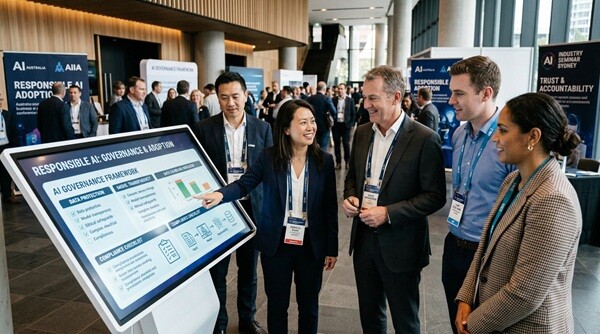
AI and responsibility
AI introduces new responsibilities around data protection, bias, decision transparency and legal exposure. We help businesses navigate these realities, not ignore them. Our work aligns with:
- Australian cyber security expectations and best practice
- Data protection and confidentiality obligations
- Practical governance suitable for SMBs
AI introduces new responsibilities around data protection, bias, decision transparency and legal exposure. We help businesses navigate these realities, not ignore them.
AI adoption without guardrails creates risk. Our role is to reduce it.
How we work with you
- Discover – Identify where AI can create measurable value by exploring and testing new tools to improve business efficiency.
- Design – Select and architect the right solution, securely, focusing on using AI to streamline operations and drive practical benefits.
- Deliver – Implement with minimal disruption, leveraging AI to help save time for your business.
- Govern – Ensure ongoing safety, compliance and performance.
Everything is built to integrate with your existing IT environment, not replace it.


Who this is for
- Business owners seeking practical efficiency gains
- Operations and finance leaders looking to improve accuracy and insight
- IT teams needing controlled, supportable AI adoption
- Organisations concerned about AI security and compliance
Automate your Business – PIP AI Services
Testing and Monitoring AI
Implementing artificial intelligence in your business is not a set-and-forget exercise—ongoing testing and monitoring of AI tools is essential to ensure they deliver real value, operate safely, and align with your business needs. For small business owners, this means taking a proactive approach to evaluating how AI systems perform specific tasks within your business processes, from content creation to data analysis.
Here’s how to approach testing and monitoring AI in your business:
- Evaluate AI tools for fit and function: Start by assessing a range of AI tools, including free AI tools and paid solutions, to determine which best match your business operations and objectives. Consider how these tools handle customer data, automate repetitive tasks, or generate marketing materials and social media posts.
- Assess data analysis and insights: Examine how AI tools—especially those powered by large language models and generative AI—analyze real world data and provide actionable insights. Ensure the outputs are accurate, relevant, and support informed decisions that drive business growth.
- Monitor AI-generated content: Regularly review AI-generated content such as product descriptions, meeting notes, and social media posts to confirm they reflect your brand voice and meet your quality standards. This helps maintain consistency and strengthens customer relationships.
- Check for bias and fairness: Use prompt engineering and other techniques to verify that your AI systems do not introduce bias or unfairness, which could negatively impact customer satisfaction and your business reputation.
- Prioritize AI safety and compliance: Make sure all AI tools comply with data usage policies and relevant regulations. Implement safeguards to prevent misuse or unintended consequences, protecting both your business and your customers.
The National AI Centre offers practical resources, templates, and expert guidance to help small businesses implement AI responsibly. Leveraging advice from industry experts can help you navigate the complexities of integrating AI, from initial testing to ongoing monitoring.
Popular tools like Google Workspace now include AI-powered features such as AI-generated meeting notes and advanced data analysis, while solutions like ChatGPT Business enable small businesses to quickly create high-quality content that aligns with their brand. By investing time in testing and monitoring these tools, you can save valuable time, boost productivity, and gain a competitive advantage—while ensuring that AI-generated content and decisions always require human intelligence and oversight.
Ultimately, responsible use of artificial intelligence means continuously evaluating how AI tools impact your business operations, customer feedback, and overall customer satisfaction. With the right approach, you can harness the transformative technology of AI to turn ideas into action, improve business outcomes, and build lasting customer loyalty.
Documenting AI Systems
Proper documentation is a cornerstone of responsible artificial intelligence use in small businesses. Keeping a detailed register of all AI tools and features—including their purpose, usage, and associated risks—ensures you have a clear overview of your AI systems. This documentation should also cover your data usage policies, guidelines for AI-generated content, and procedures for monitoring AI safety.
Maintaining thorough records allows you to track the performance and impact of your AI tools, identify areas for improvement, and demonstrate your commitment to responsible use. It also helps ensure compliance with data protection regulations and industry standards. The National AI Centre offers templates and resources to support small businesses in documenting their AI systems effectively.
By prioritizing documentation, you not only safeguard your business and customers but also lay the groundwork for continuous improvement and innovation in your use of AI. Responsible documentation practices help small businesses maximize the benefits of artificial intelligence while minimizing risks and maintaining trust.
Automate your Business – PIP AI Services
Start with clarity
AI can be transformative—or expensive noise. We help you tell the difference.
If you’re exploring how AI can be applied safely and effectively within your business, this hub is your starting point.
Talk to PIP about AI for Business →